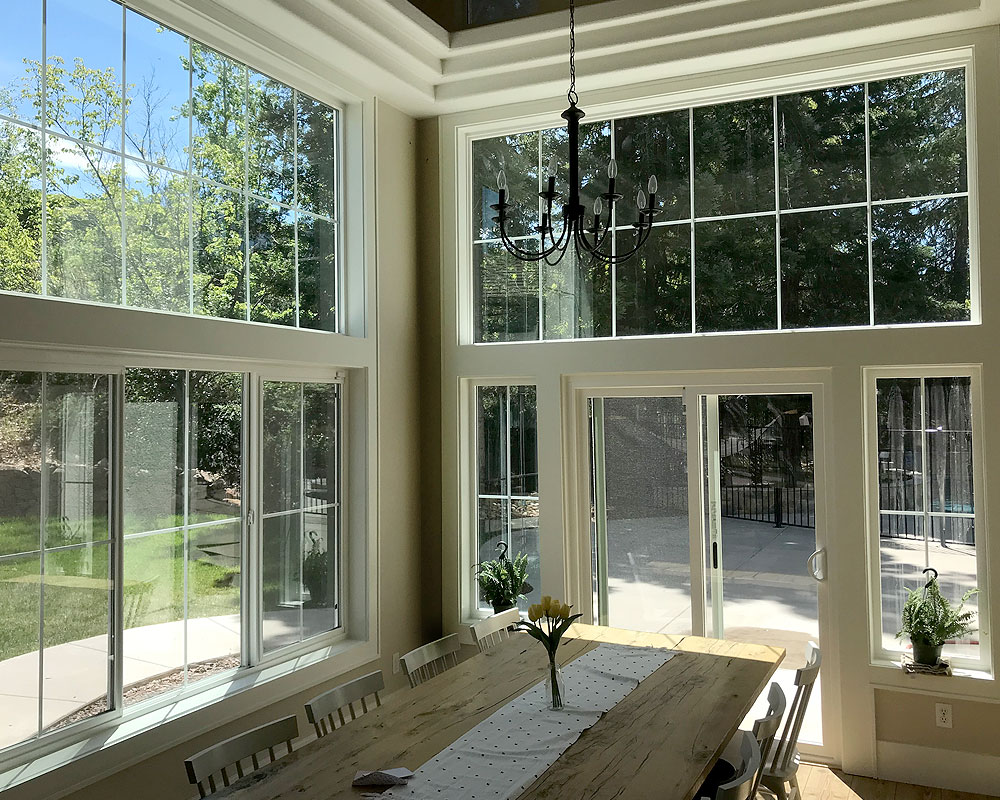
Energy-efficient windows are designed to reduce energy consumption by minimizing heat transfer between the interior and exterior of a building.
They help maintain a comfortable indoor temperature, reduce energy costs, and lessen environmental impact. Here are some key features and benefits of energy-efficient windows:
Double or Triple Glazing: Energy-efficient windows often have two or three layers of glass with insulating air spaces between them. This design helps to reduce heat loss during winter and heat gain during summer.
Low-E Coatings: Low-emissivity (Low-E) coatings are thin, transparent layers applied to the glass surface. They reflect infrared heat while allowing visible light to pass through, which helps to keep the indoor temperature stable.
Gas Filling: In some cases, the space between double or triple glazing is filled with inert gasses like argon or krypton. These gasses offer better thermal insulation compared to air.
Gas Filling: In some cases, the space between double or triple glazing is filled with inert gasses like argon or krypton. These gasses offer better thermal insulation compared to air.
Insulated Frames: Window frames made from materials like vinyl, fiberglass, or wood with thermal breaks provide additional insulation and reduce heat transfer around the window perimeter.
U-Factor and Solar Heat Gain Coefficient (SHGC): Energy-efficient windows are rated with U-Factor and SHGC values. Lower U-Factor means better insulation, and a lower SHGC indicates less solar heat gain.
Condensation Resistance: High-quality energy-efficient windows are designed to minimize condensation buildup, which helps maintain a clear view and prevents moisture-related issues.
Benefits of Energy-Efficient Windows:
Energy Savings: By reducing heat transfer, energy-efficient windows can lead to lower heating and cooling costs.
Comfort: Improved insulation helps maintain a consistent indoor temperature, increasing comfort throughout the year.
Environmental Impact: Reduced energy consumption means a smaller carbon footprint and less strain on natural resources.
UV Protection: Low-E coatings can block a significant portion of harmful UV rays, protecting interior furnishings from fading and damage.
Noise Reduction: Energy-efficient windows with multiple layers of glass can also help reduce outside noise, creating a quieter indoor environment.
When choosing energy-efficient windows, look for the ENERGY STAR label, as it indicates compliance with energy efficiency standards set by the U.S. Environmental Protection Agency (EPA). Let us help you find the best windows that suit your specific climate and needs!
Window & Door Brands We Trust